Commercial office fitouts are one of the largest discretionary investments a business makes outside of staff and software. They also happen to be one of the easiest projects to get wrong on budget — not because the work itself is unpredictable, but because the costs are spread across so many line items that it’s hard to know what “good value” actually looks like.
This guide breaks down what an office furniture fitout really costs in Australia in 2026, what’s typically included, what’s not, and where most businesses lose money before they’ve even ordered a chair.
What’s Included in a Commercial Office Furniture Fitout?
Before we talk numbers, it’s worth being clear about what’s actually inside the scope. A furniture fitout — as distinct from a base building or construction fitout — typically covers:
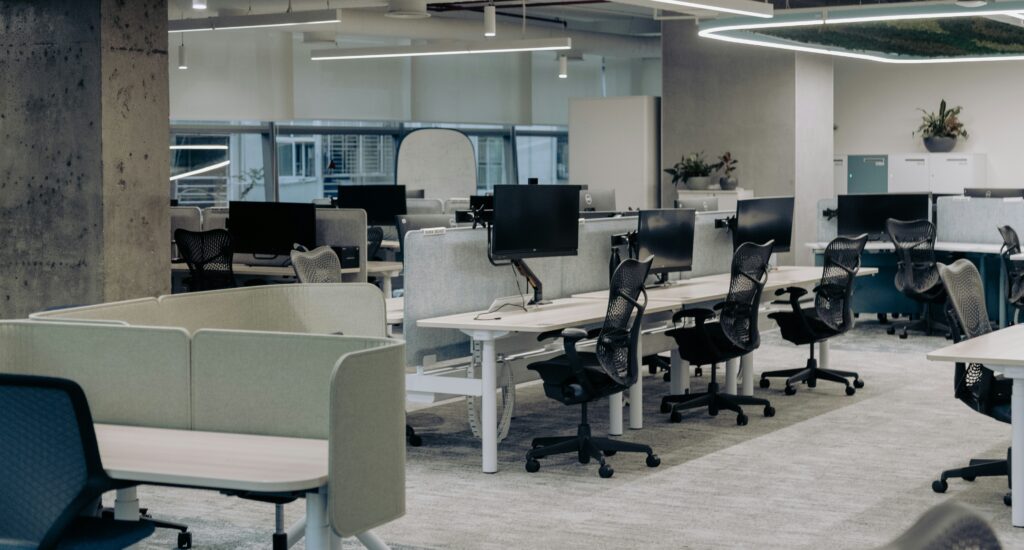
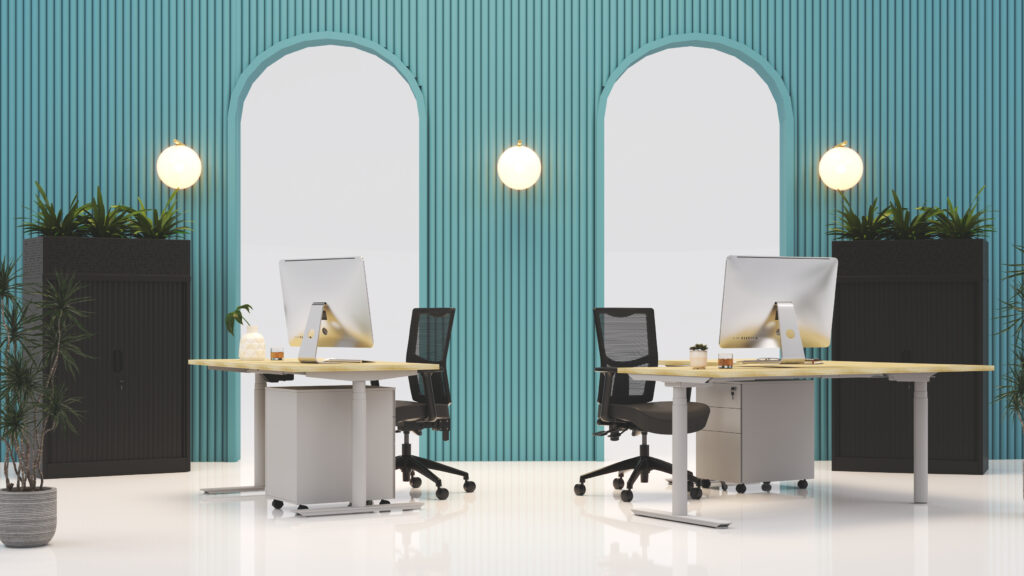
- Workstations — desks, screens, cable management, monitor arms
- Task and visitor seating
- Storage — pedestals, tambour units, lockers, planter boxes
- Meeting and collaborative furniture — boardroom tables, breakout seating, training tables
- Reception and waiting area furniture
- Acoustic solutions — screens, booths, panels
- Delivery, installation, and rubbish removal
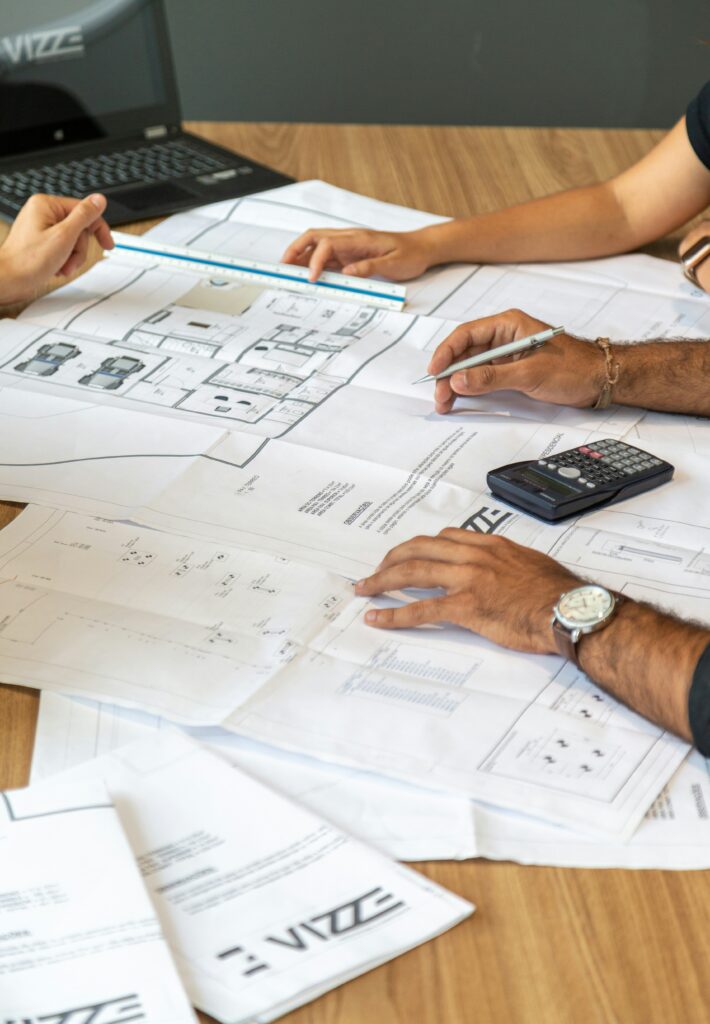
- Space planning and project management (when working with a managed service)
What’s usually not included in a furniture quote: construction works, partitioning, AV equipment, kitchenware, plants, signage, and IT cabling. These sit under the base building or building contractor.
What Does a Commercial Office Fitout Cost in 2026?
Across the Australian east coast — Sydney, Brisbane, Gold Coast, and Melbourne — commercial office furniture fitouts typically fall within these ranges:
| Project Type | Cost Per Workstation (Supply + Install) |
|---|---|
| Basic in-stock workstation, task chair, small storage | $1,200 – $1,800 |
| Mid-spec sit-to-stand desk, ergonomic chair, screens, storage | $1,800 – $2,800 |
| Premium height-adjustable desk, executive seating, acoustic booths | $2,800 – $3,500+ |
For per-square-metre estimating, expect $500 to $1,500 per sqm for furniture supply and installation. The variance comes down to product specification, site complexity, and what’s included in the project management scope.
These figures align with broader fitout cost benchmarks published by industry research bodies. For broader fitout cost data including base building works, Cushman & Wakefield’s Office Fit Out Cost Guide is the most cited Australian source.
What Drives the Cost Up — or Down?
There are six variables that determine where a project sits in those ranges:
1. Product specification. A basic 1500mm fixed desk and a stacking chair will cost a fraction of a 1800mm sit-to-stand desk paired with a high-back ergonomic chair. Materials matter — laminate vs veneer, fabric grade, frame quality.
2. Floor count and site access. Loading dock access vs street-level delivery. Goods lift vs stair carry. Out-of-hours installation. All of these affect the install quote.
3. Installation complexity. Bench desk runs with cable management take longer than single desks. Modular seating systems often require two-person assembly. Glass screens need careful handling.
4. Lead times. In-stock products ship fast. Custom or made-to-order items can run 8–16 weeks, especially anything involving custom fabric, sizing, or finishes.
5. Geography. Delivering to Sydney CBD from a Gold Coast supply base carries different freight to a Brisbane fringe-suburb install. Distance matters less than people think when freight is consolidated correctly — but it matters.
6. Project management overhead. A managed end-to-end project costs more upfront than a DIY procurement — but consistently delivers a lower total project cost. More on that next.
The Hidden Cost Most Businesses Miss
Most office furniture quotes don’t include project management. That sounds like a saving — until you realise what project management actually does.
When you procure furniture directly from a retailer, the supplier’s job ends when the truck pulls up. Anything beyond that — checking the delivery against the order, coordinating the installer, managing damaged items, resolving spec errors, dealing with the builder, programming around other trades — falls on you.
For a 20-person fitout, that’s typically 40–80 hours of operations management time, often performed by someone whose actual job is something else entirely. At a conservative internal labour cost, that’s $4,000 to $10,000 of hidden cost — plus the cost of any mistakes.
A managed service brings the project management inside the scope. One point of contact, one programme, one accountable team. The cost shows up as a line item on the quote rather than as lost productivity inside your business — but it’s almost always cheaper overall.
This is the principle behind LCF’s PAVE framework — Precision, Accountability, Value, Excellence. It’s a deliberate commitment to making the project management as visible and accountable as the products themselves.
What LCF Includes That Others Don’t
A standard online furniture order is product supply only. LCF’s project management service is end-to-end and includes:
- Space planning from your CAD or PDF floor plan, at no additional cost when LCF supplies the furniture
- A single point of contact from first call to final handover
- Direct coordination with your builder, architect, or interior designer
- White-glove delivery and installation across the east coast
- Post-installation defect review and resolution
Products supplied by LCF meet commercial-grade durability standards. Workstations, seating, and storage are independently certified through industry frameworks such as AFRDI or BIFMA, which is your assurance that the products will perform in a commercial environment for their full warranty term.
Fitout Costs by City — What to Expect on the East Coast
Pricing is broadly consistent across the major east coast markets, but there are practical differences worth knowing.
Gold Coast and Brisbane — LCF’s base. Local lead times are shortest. Same-day site visits are achievable for South East Queensland projects.
Sydney — Slightly higher install costs due to CBD access, parking, and after-hours building requirements. Plan for restricted dock windows.
Melbourne — Comparable product pricing; freight from Queensland-based suppliers adds 1–2 days to lead times.
Regional centres — Newcastle, Wollongong, Canberra, Sunshine Coast, and the Gold Coast hinterland are all serviceable from the LCF base with appropriate freight consolidation.
For projects outside these regions, please reach out — most projects can be serviced with the right planning.
How Long Does a Commercial Fitout Take?
Most furniture fitouts run 4 to 12 weeks from order confirmation to installation completion:
- Small (10–20 workstations, in-stock product): 2–4 weeks
- Medium (50–100 workstations): 6–10 weeks
- Large or custom (100+ workstations): 8–16 weeks
The single biggest cause of project delay is late decision-making at the specification stage. Lock in your space plan and product list early, and the rest of the programme tends to fall into place.
When Should You Start Planning?
For most commercial fitouts, plan 3 to 6 months before your target occupancy date. That’s not because the work takes that long — it’s because the decisions that drive cost (space planning, product spec, lead times, site coordination) need time to be made well rather than rushed.
Starting late forces compromises that always cost more than they save.
In Summary
A commercial office furniture fitout in Australia in 2026 will typically cost $1,200 to $3,500 per workstation or $500 to $1,500 per square metre, supply and installation only.
The price isn’t the whole picture. What separates a project that lands well from one that doesn’t is the management of everything between the spec and the handover — and that’s where the real value of a project-managed service shows up.
If you’re early in a fitout planning process and want a quick sanity check on scope, timing, or budget, get in touch. A 20-minute call is usually enough to point you in the right direction.